Designing with Empathy, Building with AI
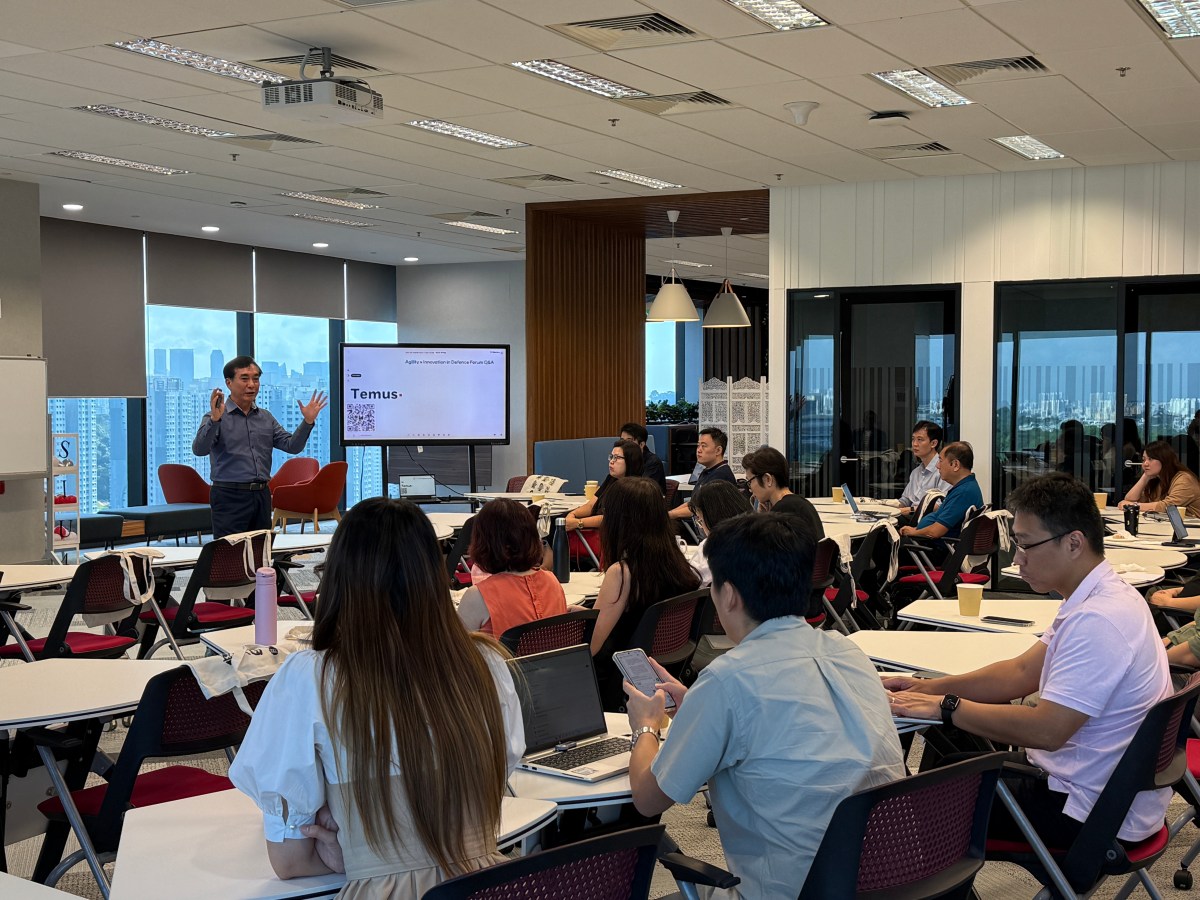
The workshop introduced the attendees to the evolving role of prompt engineering, showing how well-crafted instructions can shape the behavior and tone of AI systems. Participants gained insights into the structure of prompts, the importance of context, and how linguistics and psychology influence AI-human interactions.
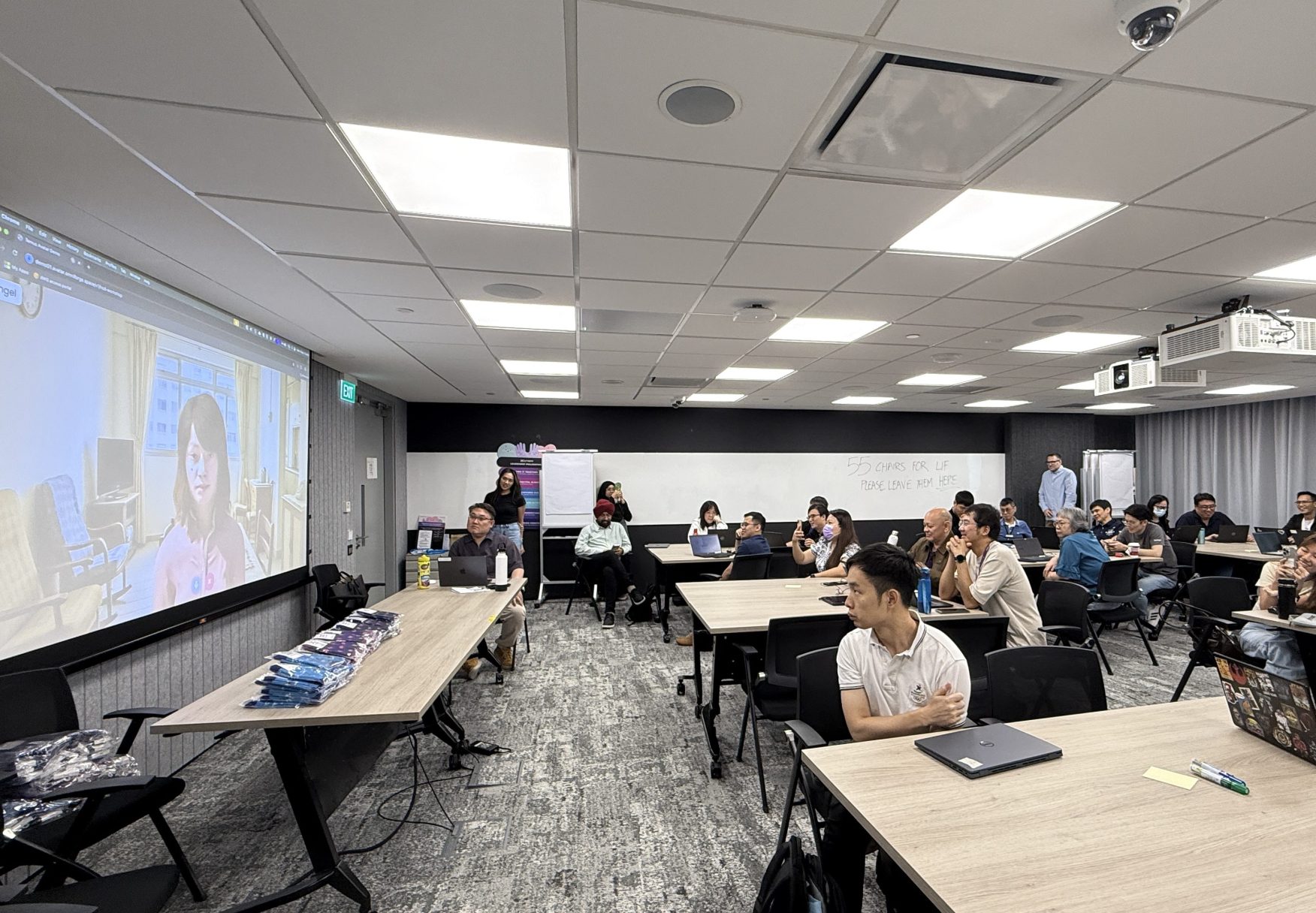
In small groups, participants were challenged to design an AI chatbot persona that could help caregivers of persons with dementia—offering daily activity tips, emotional support, and behavior management guidance. Each group created distinct prompts and user personas, which they continuously tested and refined using Temus’ voice-enabled AI avatar, experiencing first-hand how their inputs translated into spoken, interactive responses.
From Theory to Real-World Application
Participants ended the day by sharing their reflections and takeaways. Many walked away with a deeper appreciation for how AI can be designed with humanity at its core, and how thoughtful design choices can enhance both user trust and impact in healthcare settings.
Raphael Moreno, a facilitator from the Human-Centered Design team, reflected on what makes these chatbots resonate:
The small things in your prompt that make the user laugh are very useful when creating an AI personality that is targeted at helping these caregivers.

These seemingly minor elements—such as a touch of humor or warmth—proved critical in helping participants understand how AI can be not only smart, but emotionally attuned to user needs.
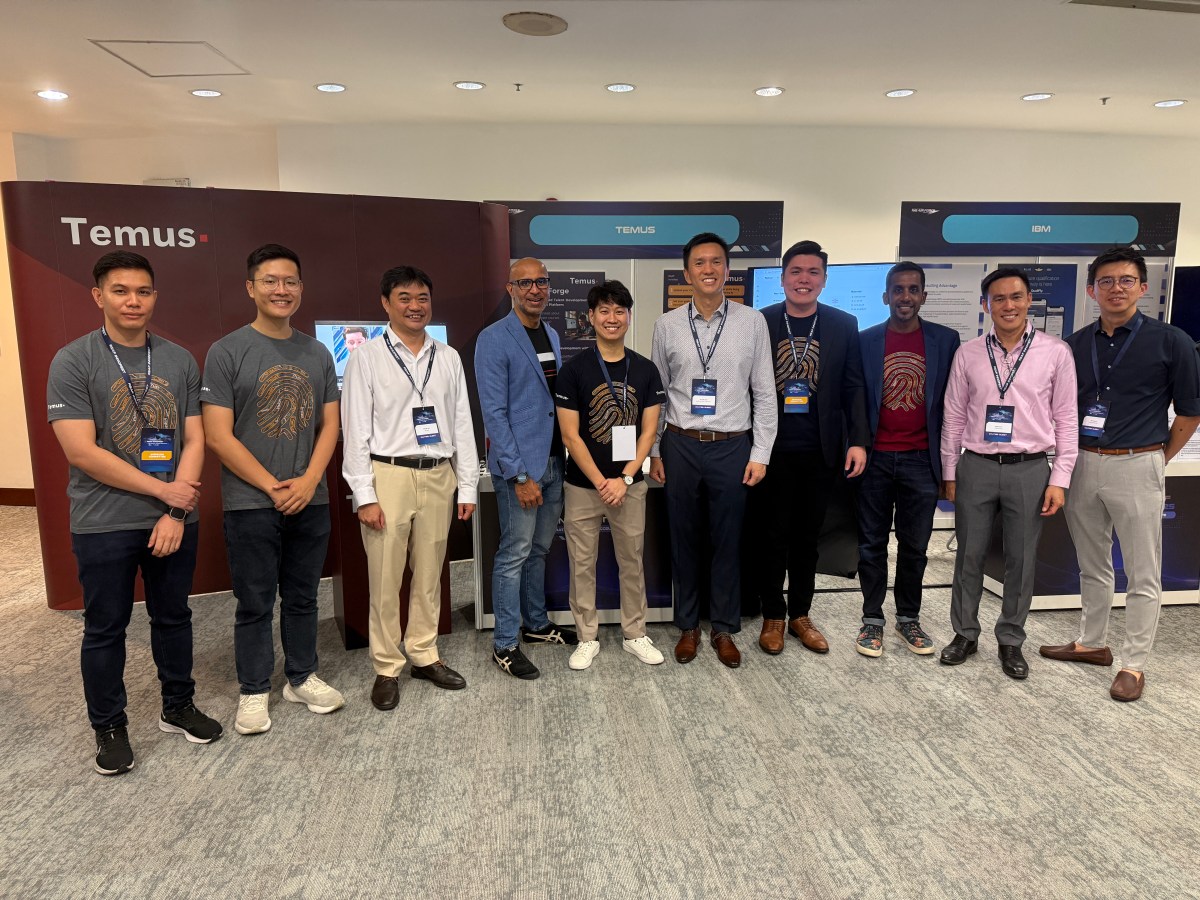
Temus is proud to support the Synapxe Learning and Innovation Festival and remains committed to shaping a future where AI uplifts caregivers, empowers patients, and enhances care with compassion.